Facts about ocean shipping
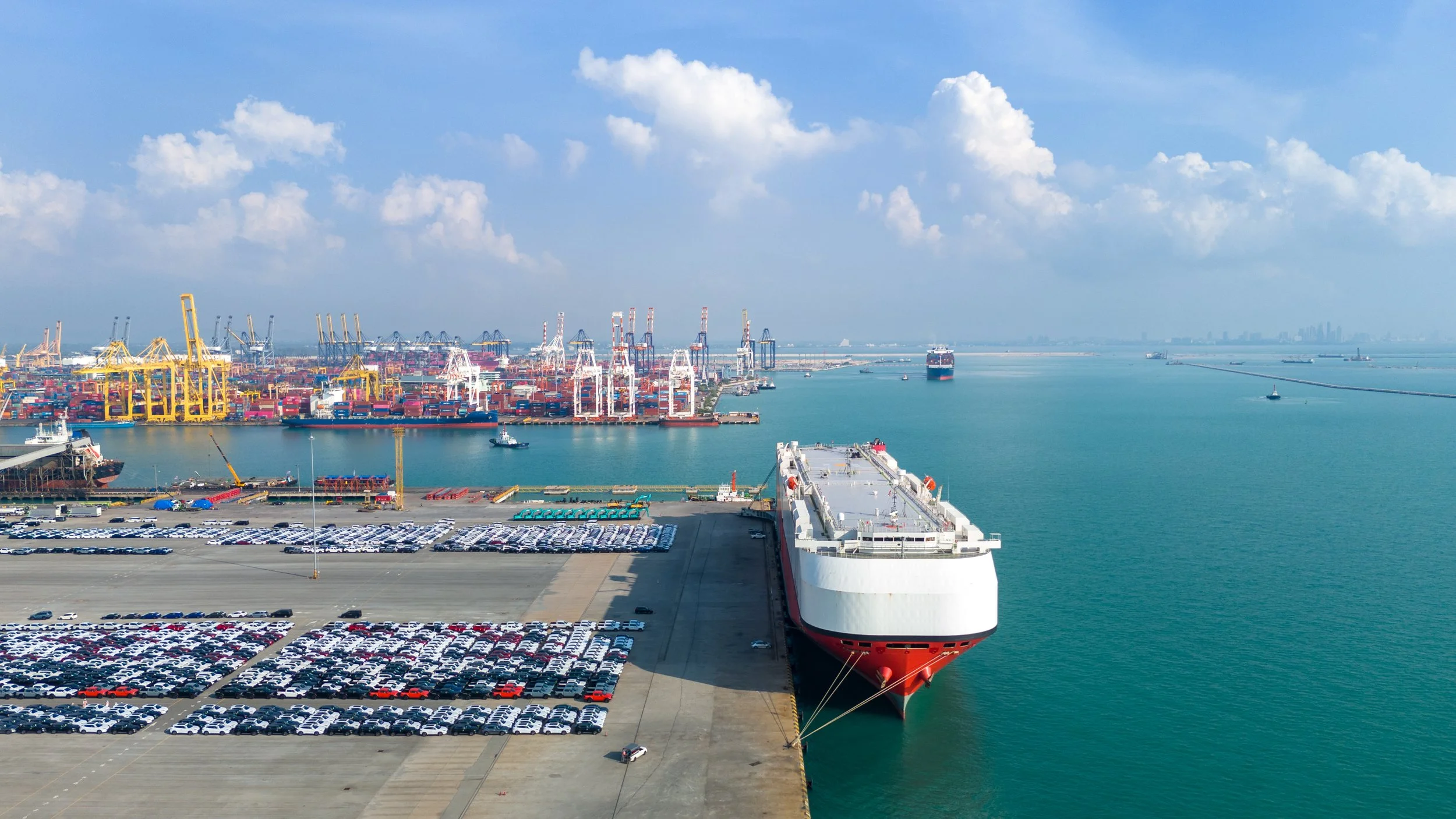
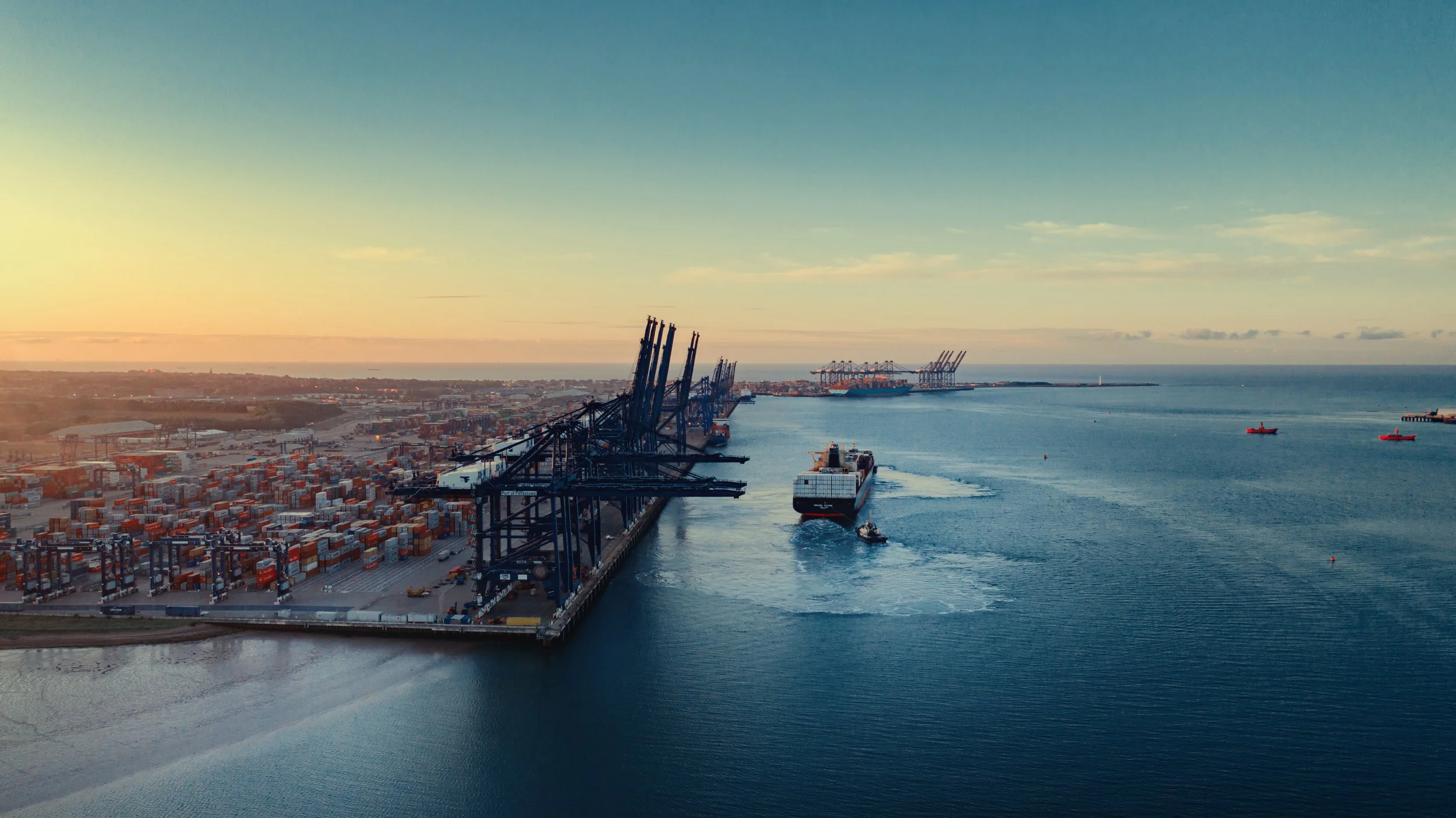
Liner shipping provides scheduled services connecting more than 900 ports across 178 countries. Each year, container ships move around 280 million containers, while vehicle carriers transport millions of cars and other rolling cargo, linking producers and consumers across global supply chains.
Shipping transports 80% of international trade
80 per cent of international trade by volume, and about 70 per cent by value, is seaborne. Roughly two-thirds of this seaborne trade by value is transported by regular liner shipping services.
The reach of liner shipping
Regular liner services reach around 900 ports worldwide
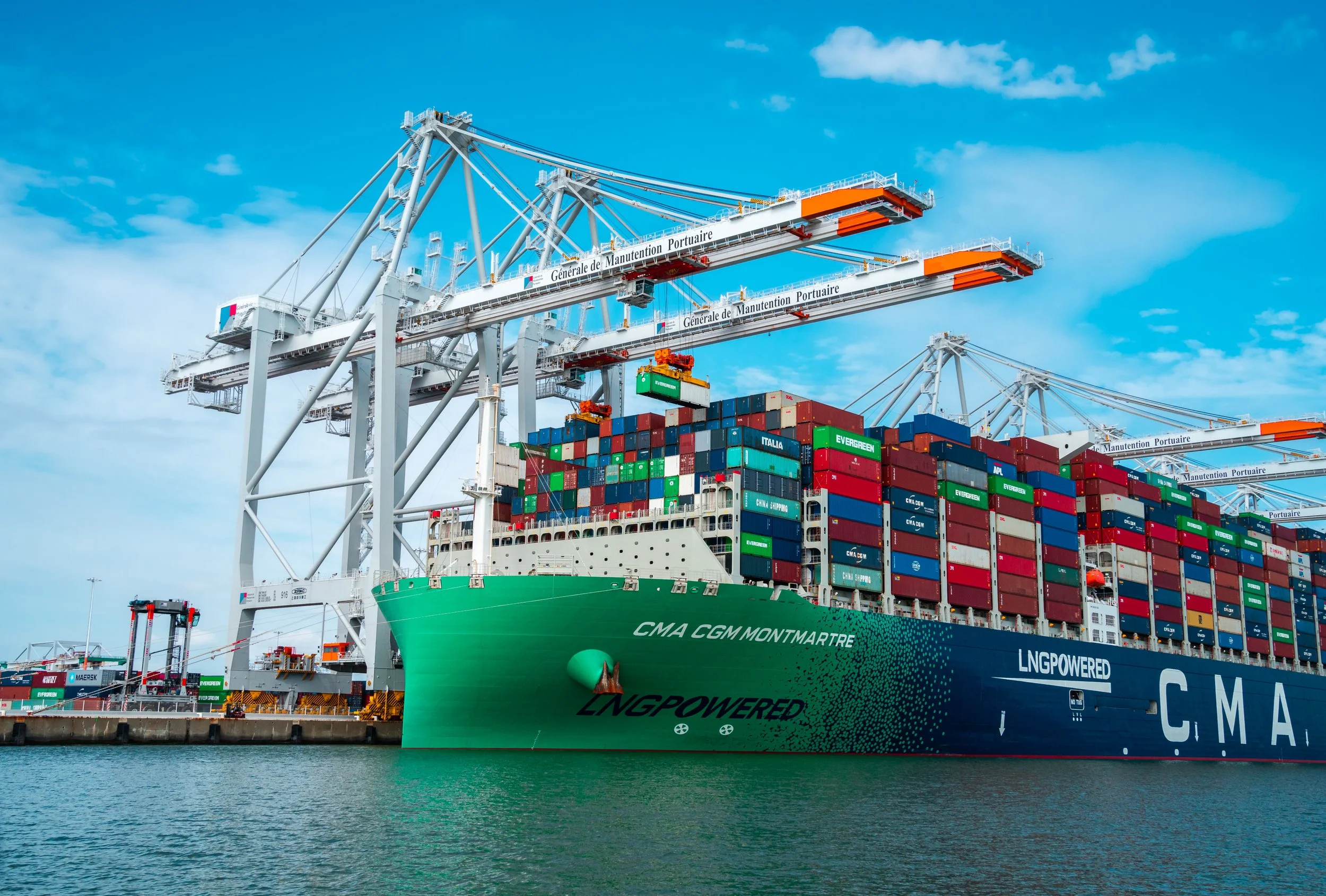
Regular liner shipping services connect around 900 container ports across 178 economies, giving businesses reliable access to markets and supply chains across the globe.
Around 280 million containers move through the network each year
Liner shipping transports over 280 million containers annually, carrying food, medicines, machinery and consumer goods between global markets.
Over 7,000 container ships and over 900 vehicle carriers operating today
Liner shipping moves two-thirds of the value of seaborne trade. An additional 1,700 container ships and over 100 vehicle carriers are also on order.
Liner shipping is the most efficient way to move goods globally
-
![]()
The average cost of shipping has decreased
Taking inflation into account, global average container freight rates are now 40-65% lower than 2008/2009, measured in real value terms.
-
![]()
Shipping moves more with fewer emissions
For the same freight and distance, road transport can emit over 100 times more CO₂ than shipping, while ocean freight produces 95–97% less emissions than air freight.
-
![]()
Shipping’s energy intensity has fallen
While shipping continues to make up 3% of total global emissions, shipping’s energy intensity has fallen by around 30% since 2008. This efficiency is due to slower speeds, new technologies and larger vessels.
History of the vehicle carrier
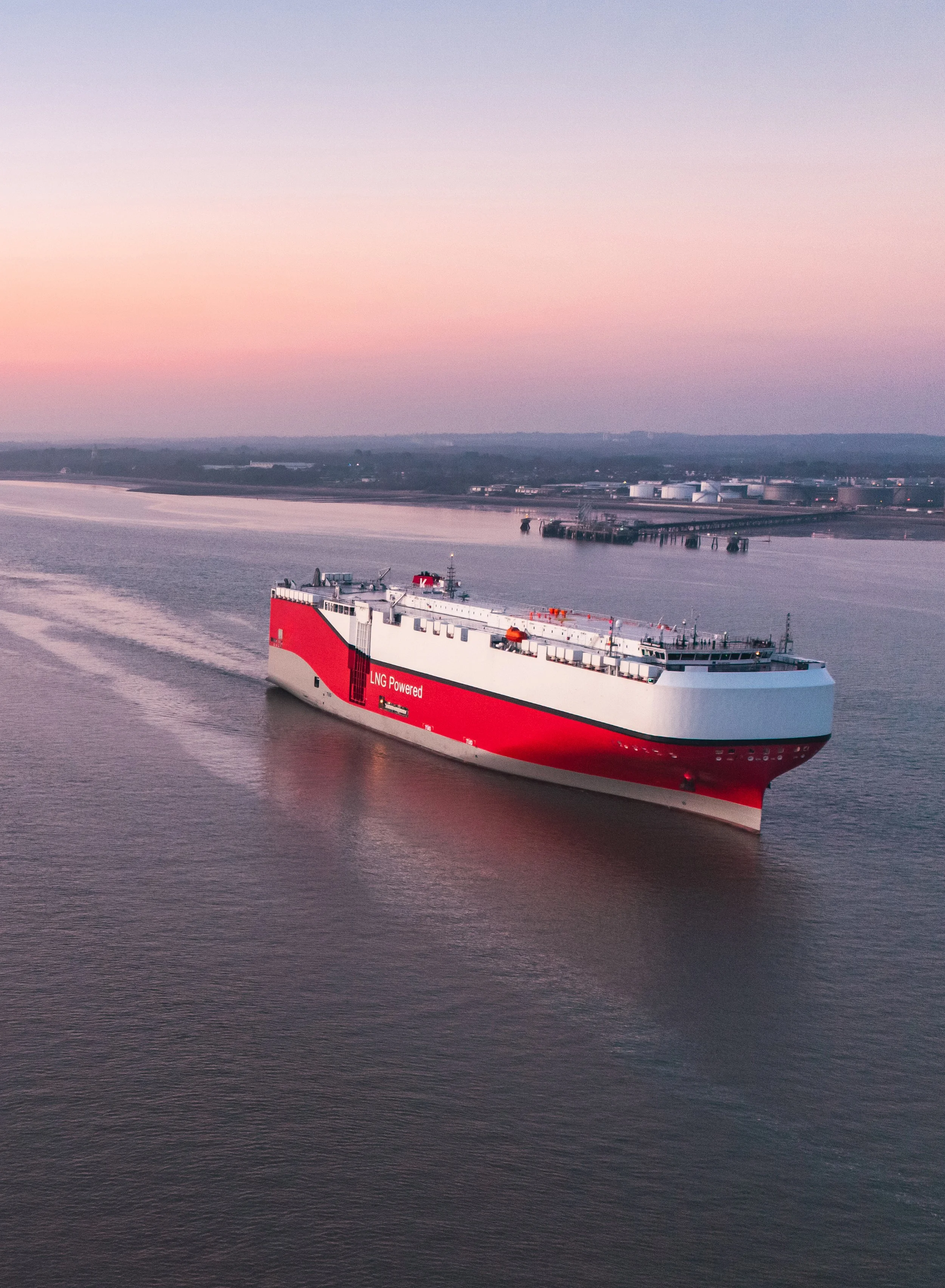
The first purpose-built car carriers entered service in 1955, carrying 290 vehicles loaded by crane. In 1963, the MS Aniara introduced roll-on, roll-off loading, allowing vehicles to be driven aboard through ramps more quickly and safely. Today, specialised vehicle carriers transport cars, trucks and heavy machinery worldwide, with the largest able to carry up to 10,800 vehicles on a single voyage.
History of the container ship
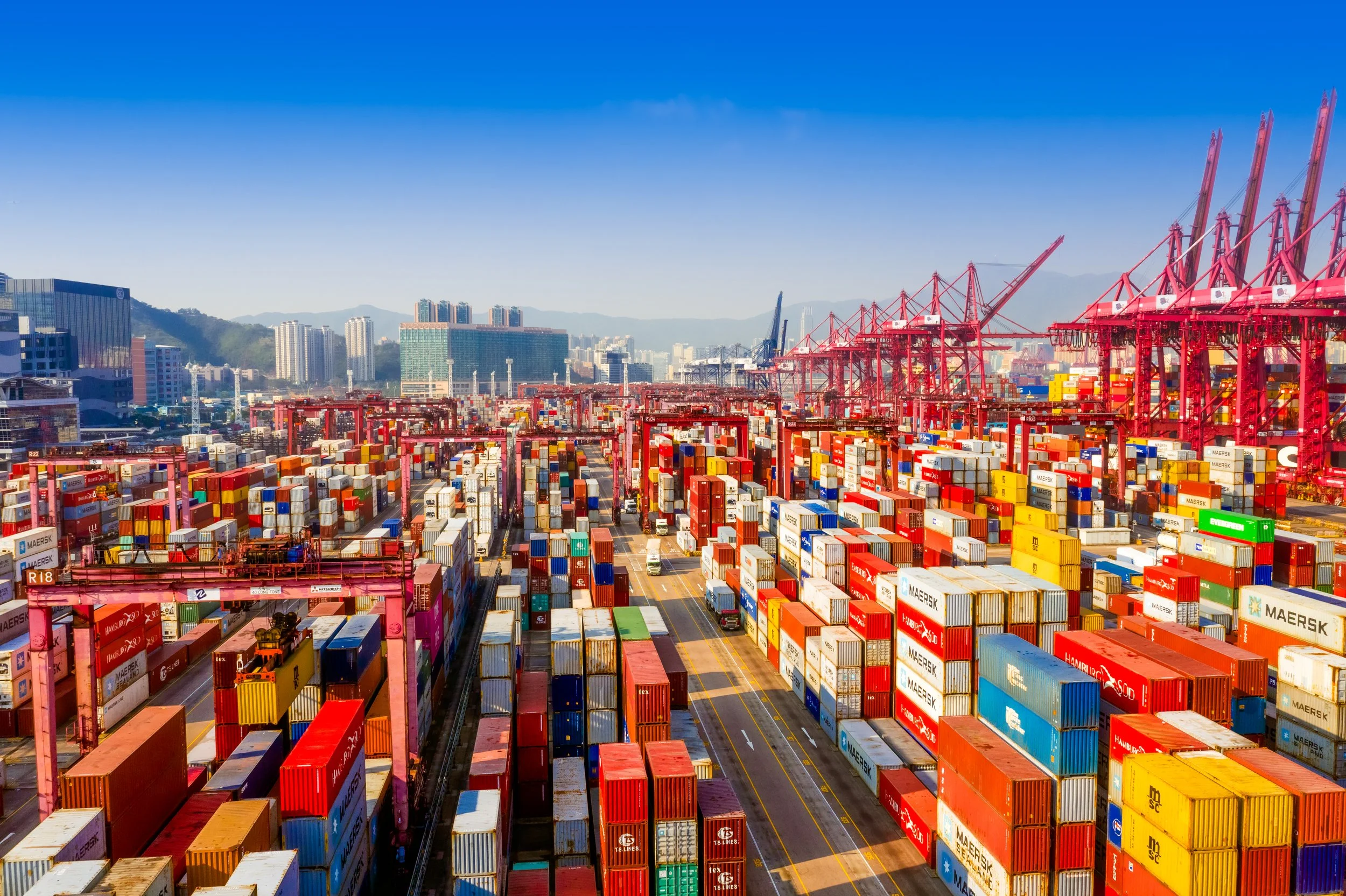
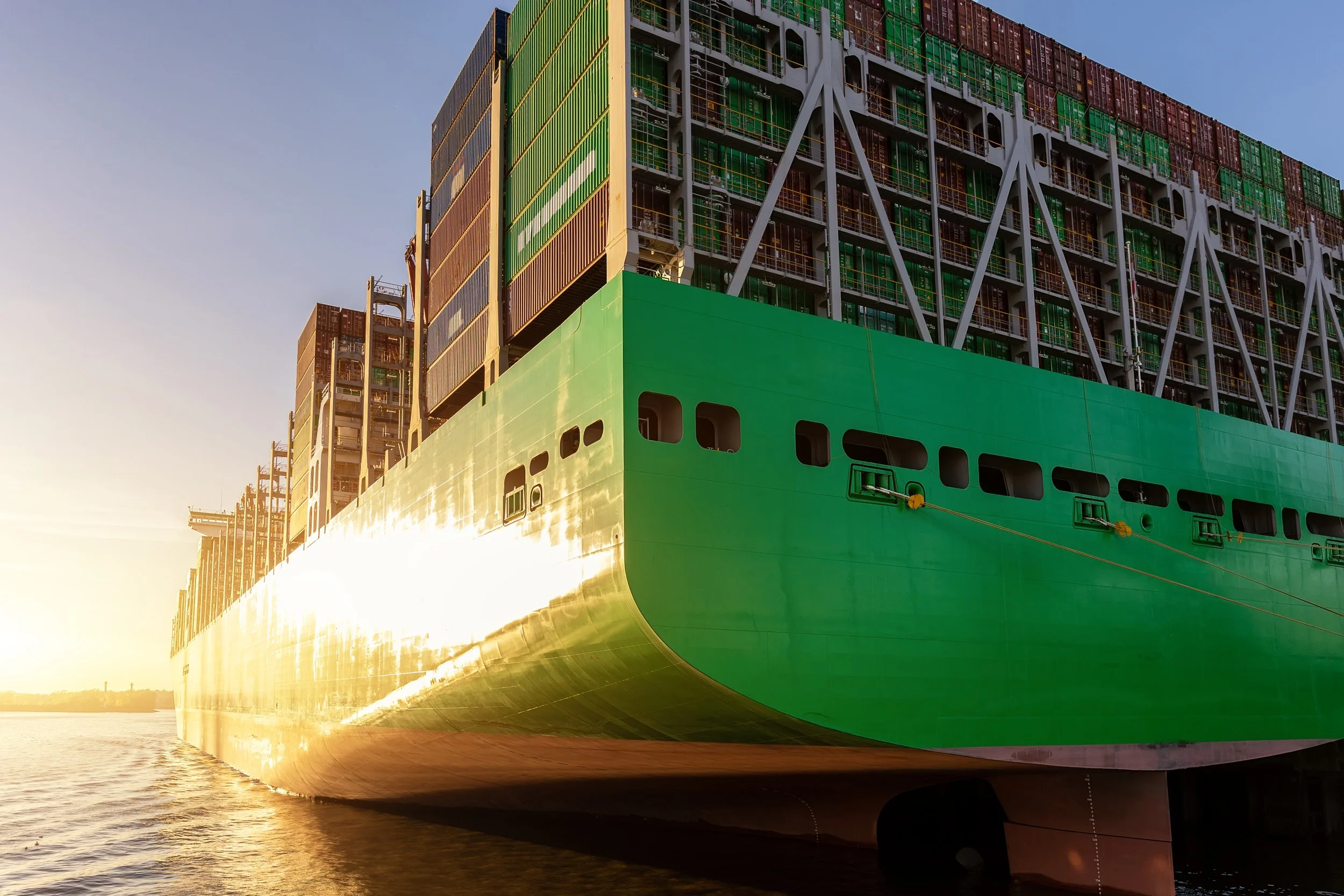
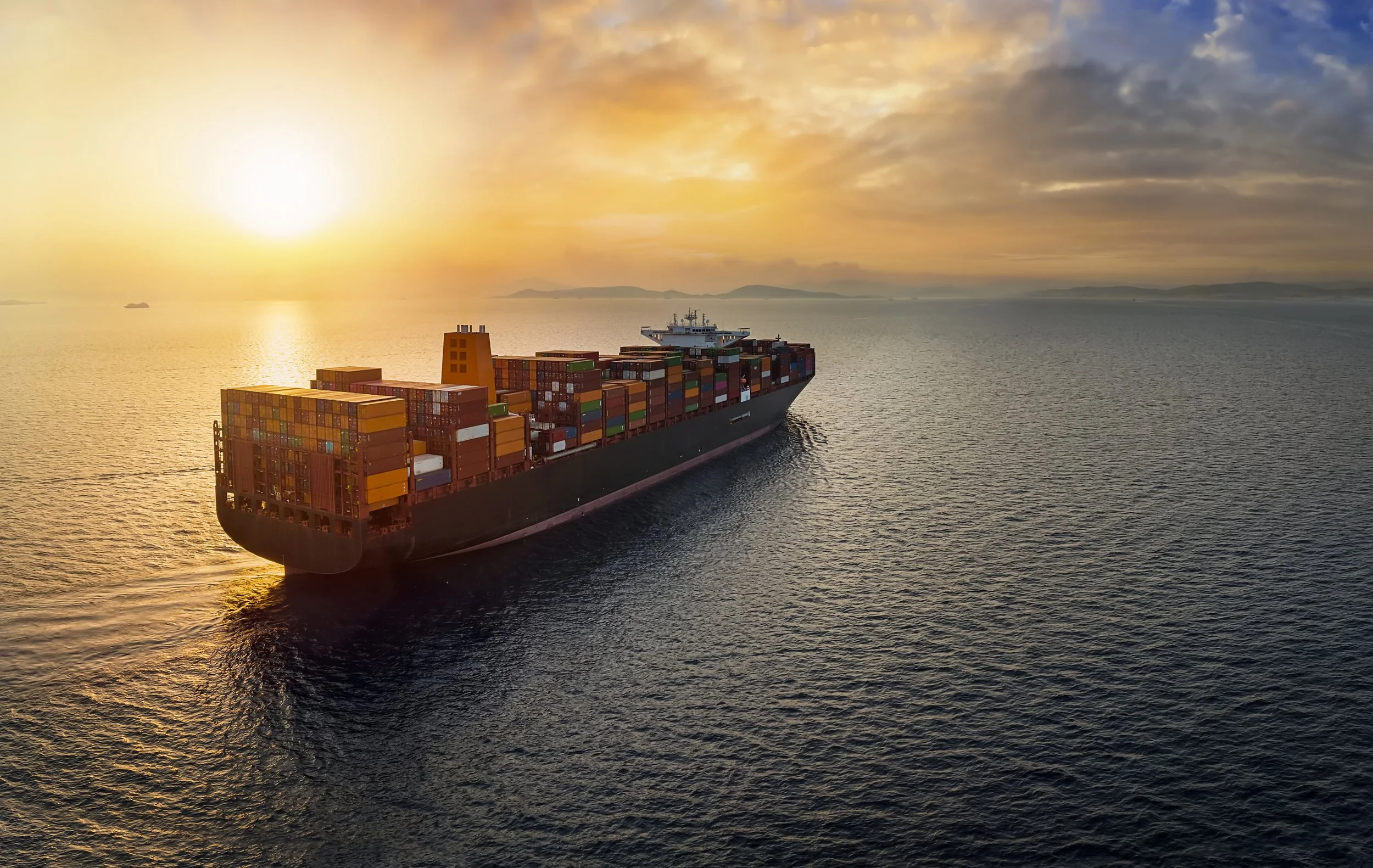
The shipping container was born in 1956, when the SS Ideal-X sailed from Newark to Houston carrying 58 containers. Its breakthrough was a standard unit that could move between ship, truck and rail without being unpacked. That transformed cargo handling. Traditional break-bulk ships spent only around 25% of their time sailing, compared with about 70% for containerships today. The world’s largest container ships can now carry more than 24,000 TEU.