
Making the Decade of Sustainable Transport Count at Sea
The liner Shipping Commitment - More than 1350 dual-fuel ships by 2030
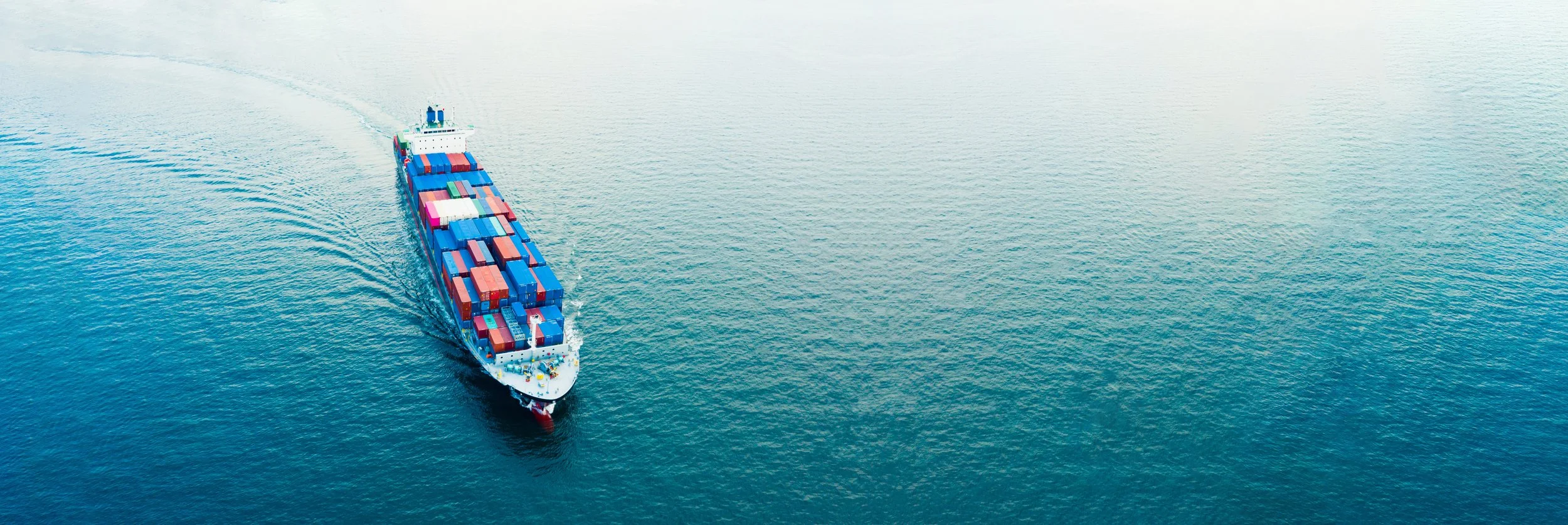
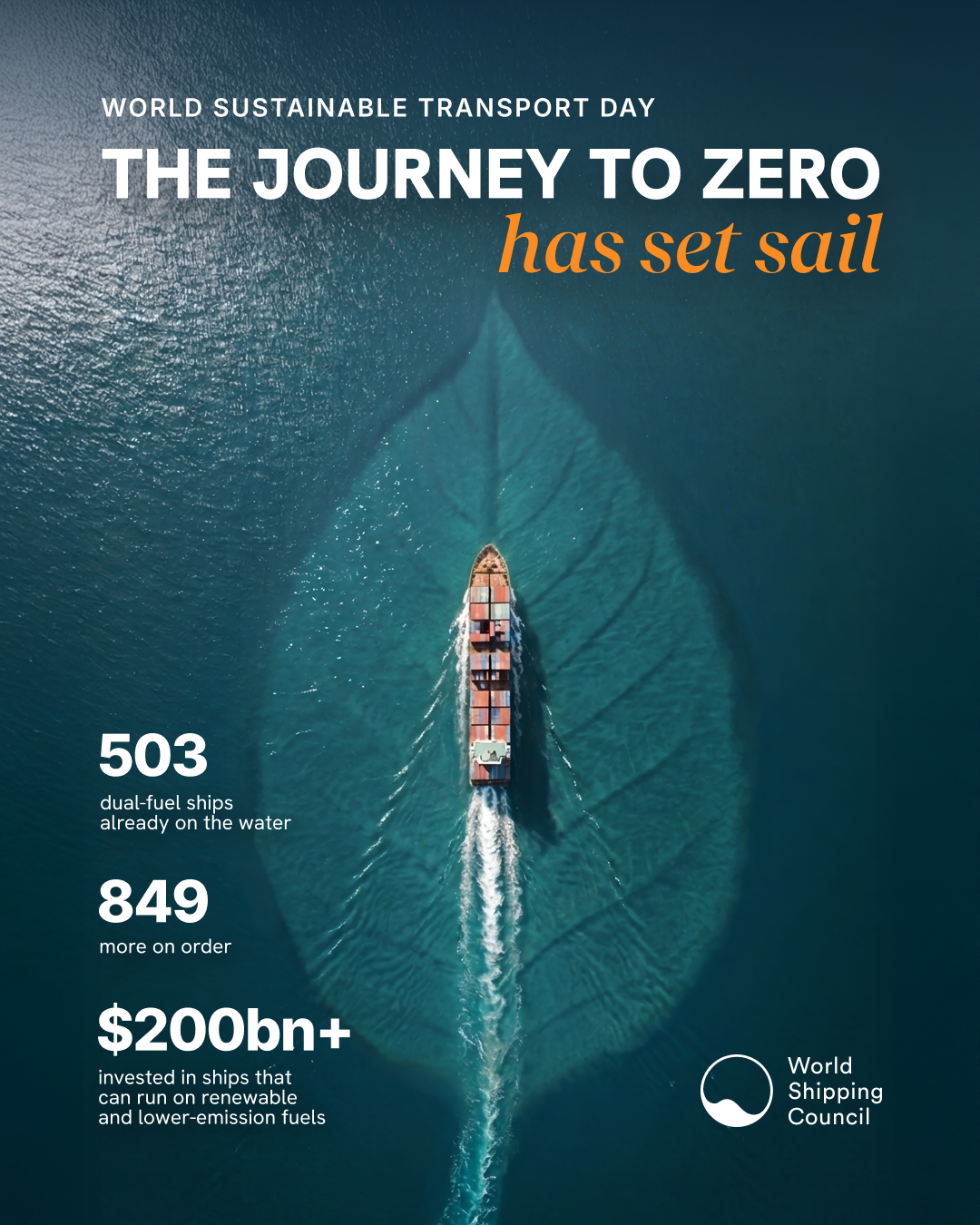
The liner shipping industry is investing over $200 billion USD to build more than 1,300 dual-fuel ships by around 2030, designed to run on low- and zero-GHG fuels. 500 of these ships are already sailing, and the rest are firm orders already placed. We hope the Decade of Sustainable Transport can bring the public and private sectors together to unlock affordable green marine fuels and infrastructure, seizing the economic opportunities of shipping’s decarbonisation and accelerating emissions cuts across global supply chains.
An effective global greenhouse gas regulation at the International Maritime Organization remains critical. By raising the profile of ocean shipping within the UN Decade of Sustainable Transport, we want to ensure the sector is recognised and supported as a core part of the solutions for a sustainable future.
WSC’s Dual Fuel Fleet Dashboard tracks the global liner shipping industry’s investment in new ships capable of running on renewable and lower-emission fuels. It offers a snapshot of how the fleet is preparing for the transition to net-zero 2050.
The dashboard tracks dual fuel vessel orders, fuel readiness across the fleet, and emerging trends in alternative fuel adoption and the scale of investment already underway.
The UN Decade of Sustainable Transport (2026-2035)
A decade to accelerate the transition to a cleaner, more resilient global transport system.
The Backbone of the Global Economy
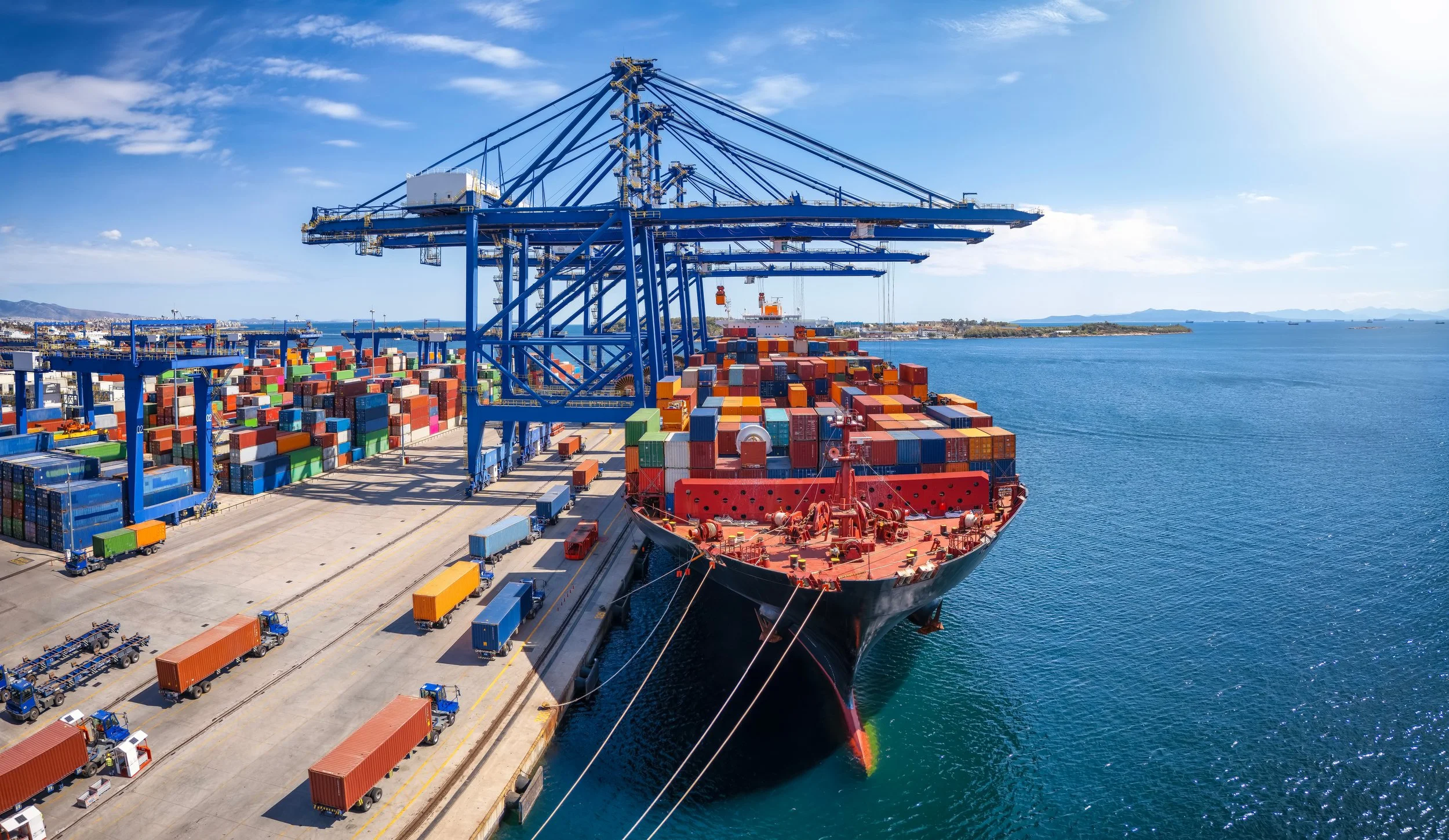
Shipping keeps global trade moving, connecting people, markets, and supply chains across every region. The UN’s Decade of Sustainable Transport Implementation Report 2025 highlights that transport is “a key driver of long-term economic growth and prosperity by enabling the movement of goods that power businesses, supply chains, and entire industries.” Transport also generates nearly a quarter of global energy related CO₂ emissions, and maritime shipping faces rising climate risks from sea level rise to extreme weather.
The UN stresses that “advancing on the maritime transport decarbonization agenda will require intense capacity building and technical assistance.”
Heading Toward Net Zero 2050
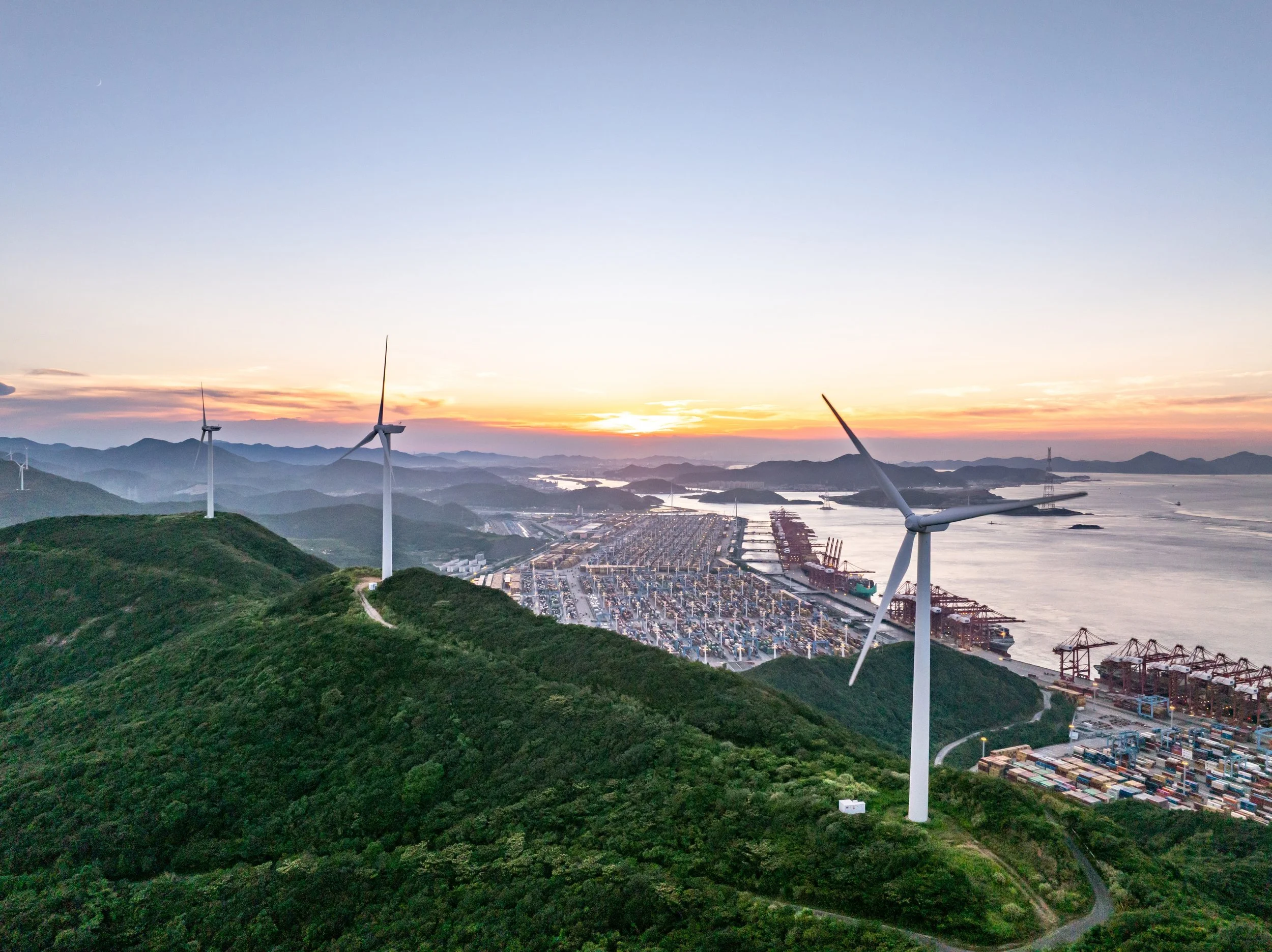
The UN calls for transport systems powered by low or zero carbon energy, supported by resilient infrastructure and integrated into national climate strategies. The International Maritime Organization has agreed on a strategy to reach net-zero in maritime by or around 2050.
WSC is committed to supporting the IMO strategy and advocating for the technologies, fuel pathways, and investment frameworks needed to deliver a global fleet capable of meeting this target. The transition is underway and accelerating.
What the UN Plan Reinforces
The UN Implementation Plan highlights the need for:
Investing in low‑ or zero‑emission, energy‑efficient transport systems.
Collaboration with the energy sector to scale alternative fuels.
Resilient infrastructure capable of withstanding climate impacts.
Full life‑cycle sustainability, including responsible fuel and technology supply chains.
WSC’s Priorities for Decarbonisation
We are committed to reducing the environmental impact of global trade and driving the transition to a sustainable, net-zero future by 2050, in line with the 2023 IMO GHG Strategy.
WSC works through the IMO to help establish clear, globally consistent rules for decarbonisation, support market-based measures that make low- and zero-carbon fuels viable, and advocate for policies that consider the full life-cycle emissions of fuels.